


Enhance Your Garden Haven: The Importance of Garden Furniture
- paullewis1007665
- Apr 4, 2024
- 3 min read
Updated: May 8, 2024
Creating a garden haven is more than just about planting flowers and trees; it's about crafting an outdoor sanctuary where you can relax, entertain, and connect with nature.
One key element that plays a crucial role in shaping the ambiance and functionality of your outdoor space is garden furniture. From cosy seating areas to elegant dining sets, the right garden furniture can transform your garden into a versatile and inviting retreat.
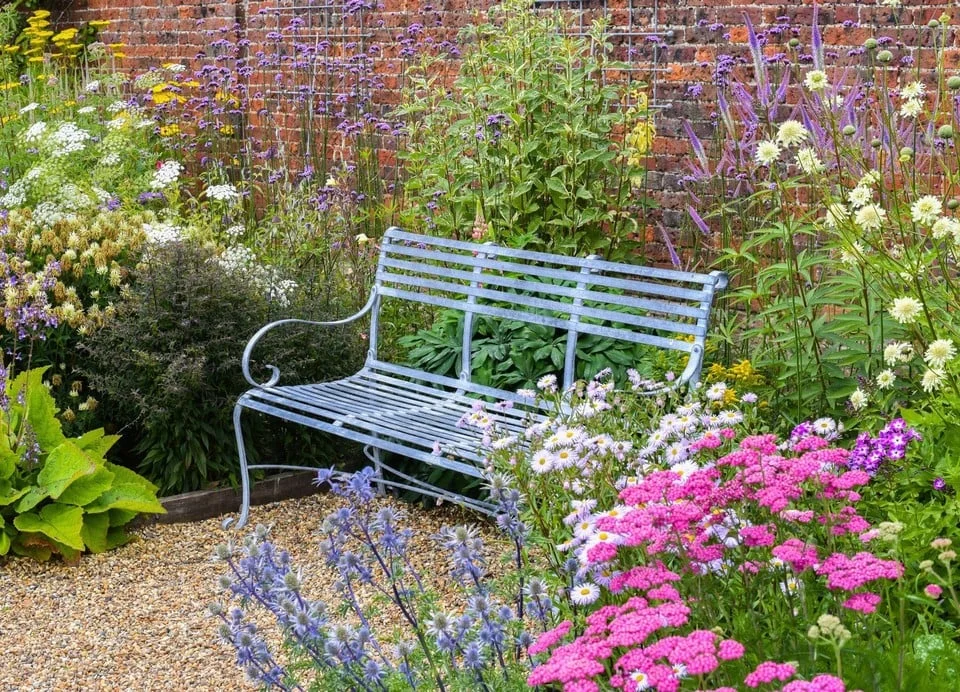
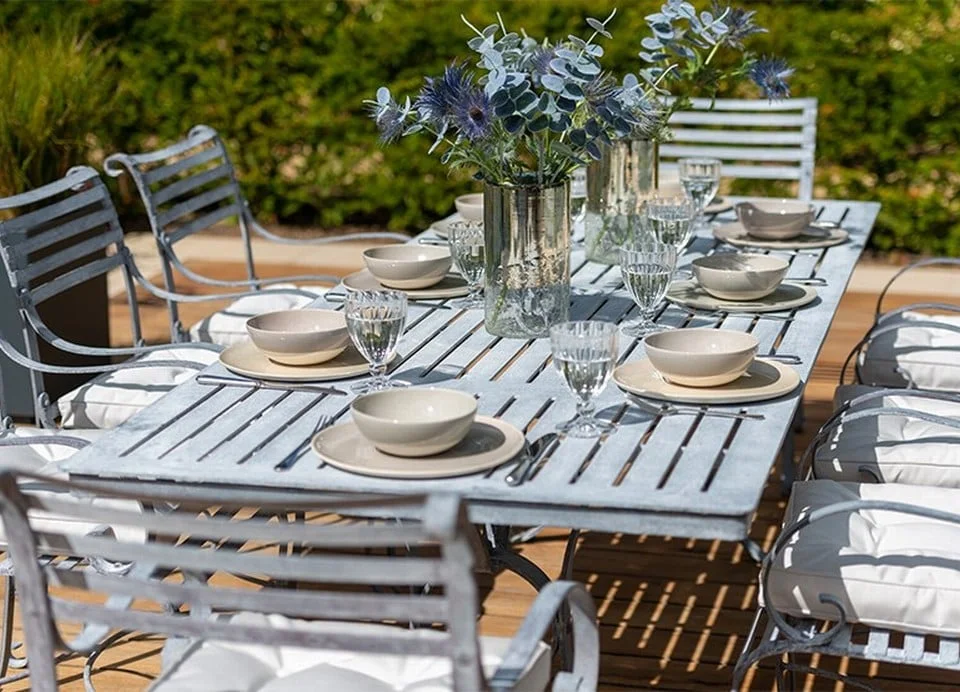
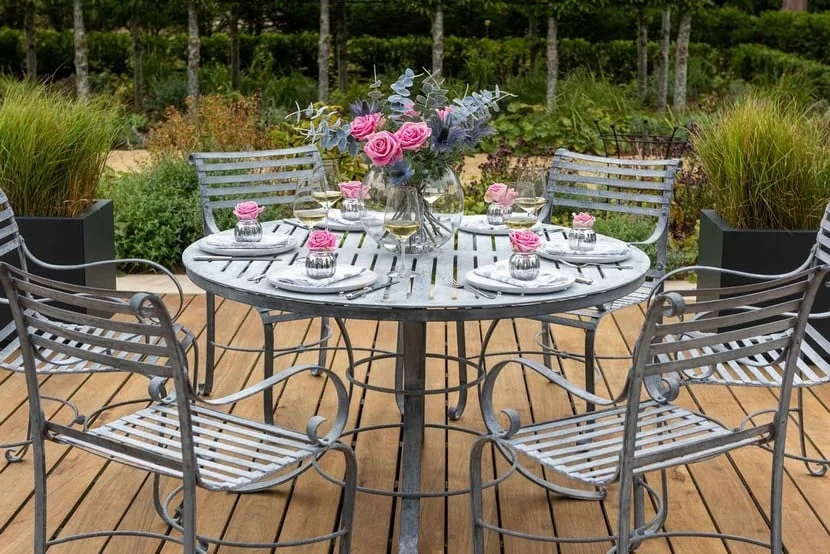
In this blog post, we'll delve into why garden furniture is an essential asset for your garden haven, explore the main types of garden furniture and the materials they are made from, and discuss the advantages and disadvantages of each type in the UK climate.
The Importance of Garden Furniture
Garden furniture serves as the backbone of outdoor living spaces, providing comfort, functionality, and style. Whether you're hosting a summer barbecue, enjoying a quiet morning coffee, or simply basking in the beauty of your garden, having the right furniture enhances your overall outdoor experience.
First and foremost, garden furniture creates designated areas for relaxation and socializing, allowing you to make the most of your outdoor space. Comfortable seating options such as lounge chairs, sofas, and hammocks provide a cosy retreat where you can unwind after a long day or catch up with friends and family over drinks.
Moreover, garden furniture adds aesthetic appeal to your outdoor oasis, enhancing the visual charm and character of your garden. With a wide range of styles, colours, and designs available, you can choose furniture that complements your garden's theme and reflects your personal taste. Whether you prefer rustic wooden benches, sleek metal tables, or chic rattan loungers, there's a myriad of options to suit every aesthetic preference.
Furthermore, garden furniture extends the functionality of your outdoor space, allowing you to dine alfresco, work remotely, or engage in various outdoor activities. From dining sets and bistro tables to sun loungers and daybeds, the right furniture pieces cater to your specific needs and lifestyle, making your garden haven a versatile and functional extension of your home.
Types of Garden Furniture and Materials
Wooden Furniture:
Advantages: Wooden furniture, such as teak, cedar, or oak, exudes natural warmth and charm, blending seamlessly with the outdoor environment. It's durable, sturdy, and ages beautifully over time, developing a unique patina that adds character to your garden. Additionally, wooden furniture is versatile and can be easily stained or painted to match your garden's aesthetic.
Disadvantages: While wooden furniture is highly durable, it requires regular maintenance to preserve its appearance and prevent weathering. Without proper care, wooden furniture may warp, rot, or become susceptible to insect damage, especially in damp locations
Metal Furniture:
Advantages: Metal furniture, such as aluminium, wrought iron, or stainless steel, is known for its durability, stability, and sleek aesthetic. It's resistant to rust, corrosion, and fading, making it ideal for outdoor use. Additionally, metal furniture is low-maintenance and can withstand exposure to harsh weather conditions.
Disadvantages: Despite its durability, metal furniture may become hot to the touch in direct sunlight, making it uncomfortable for extended periods of use. It's also heavier than other materials, which may pose challenges when rearranging or storing furniture.
Rattan/Wicker Furniture:
Advantages: Rattan or wicker furniture adds a touch of tropical flair to your garden, evoking a sense of relaxation and serenity. It's lightweight, flexible, and comfortable, with natural ventilation that keeps you cool on hot summer days. Additionally, rattan/wicker furniture is resistant to weather damage and requires minimal maintenance.
Disadvantages: While rattan/wicker furniture is suitable for outdoor use, it may fade or become brittle over time if exposed to prolonged sunlight or moisture. It's also more prone to damage from pests such as rodents or insects.
Plastic/Resin Furniture:
Advantages: Plastic or resin furniture is affordable, lightweight, and easy to clean, making it a practical choice for budget-conscious gardeners. It's resistant to rust, rot, and fading, making it suitable for outdoor use in various weather conditions. Additionally, plastic/resin furniture comes in a wide range of colours and styles to suit different tastes.
Disadvantages: While plastic/resin furniture is durable, it may lack the aesthetic appeal and natural texture of other materials such as wood or rattan. It's also less environmentally friendly than alternative materials and may degrade over time with prolonged exposure to UV rays.
In conclusion, garden furniture is an essential asset for creating a comfortable, functional, and inviting garden haven. Whether you prefer the rustic charm of wooden benches, the sleek elegance of metal tables, or the tropical vibe of rattan loungers, there's a myriad of options to suit your style and needs.
By carefully considering the advantages and disadvantages of different types of garden furniture and choosing materials that are well-suited to the UK climate, you can create a beautiful and resilient outdoor space that you'll enjoy for years to come. So, invest in quality garden furniture, and transform your garden into a haven where you can relax, entertain, and connect with nature.


Comments